

Season 2
SEASON 2 EPISODE 7
A paver can travel from a quarry three states away, or it can come from the dirt under your own regional soil. Molly Sedlacek has spent six years building a studio around the second option.

This episode sits with what it means to build with material that's honest about where it came from, and to design a garden that's allowed to change instead of staying frozen at install.
“ Materials are the living participants of our gardens.”
—Molly Sedlacek
We explore:
Why ORCA's paver colors come straight from regional California clay and soil, with no added pigment
The client questionnaire Molly's team uses to design around reflection instead of preference
Why ORCA skips teak, tropical hardwoods, and Trex, and what black locust, a US hardwood once used in shipbuilding, offers instead
The difference between a fire-smart garden and a gravel bunker
Why Molly designs some spaces to be "left undone" on purpose
Why a garden and its materials are meant to age, patina, and even crack
Brit and Bethany connect Molly's sourcing story to a question Land Language keeps returning to: what it means to hold the privilege, and the responsibility, of shaping how people relate to the ground under their own homes.This episode is for landscape designers who think as hard about sourcing as they do about design, and for those who want a garden that's allowed to change.
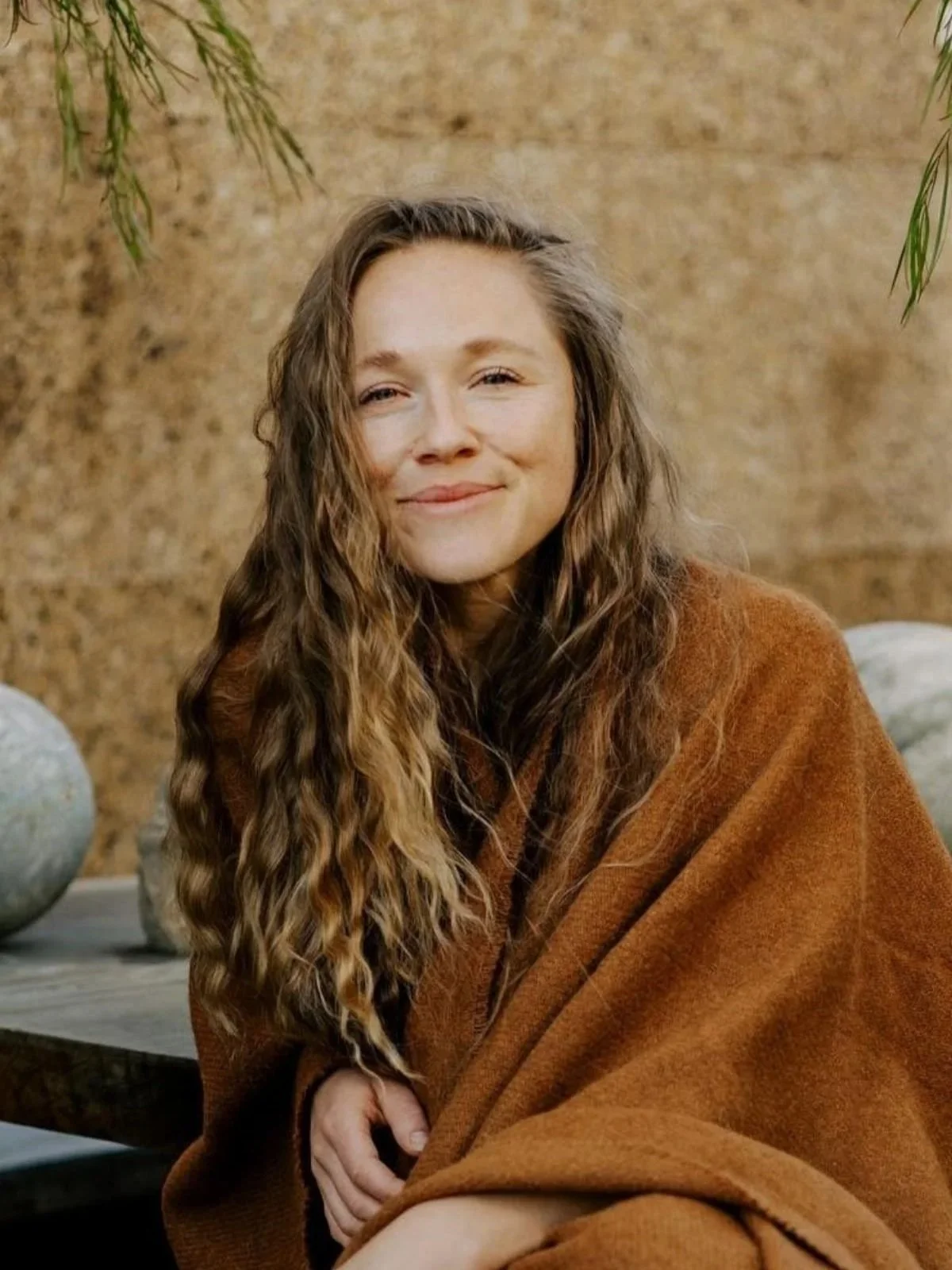
Molly Sedlacek is the founder of ORCA, a female-founded landscape design and outdoor product studio based in Los Angeles. She grew up on the Oregon coast, playing inside a Bay Laurel hedge and a bamboo forest her parents planted, and is a second-generation landscape designer: her mother, Lisa Walter-Sedlacek, worked in a construction industry built almost entirely by men.
Molly found her way into design while building her own first garden in San Francisco, testing stone, timber, and plants until the space matched what she could only picture. Friends and family who saw that garden became her first supporters, and ORCA was born. The name splits the difference between her two coasts, Oregon roots and a California practice, and shows up in ORCA's raw, unfinished material palette. Her studio has since built gardens up and down the West Coast and produced a line of pavers, hardware, and fixtures.
Listen, Watch, and Subscribe
Say hello.
If you’re interested in being a guest or sponsor for the podcast, please contact us at hello@landlanguage.org