

Season 3
SEASON 3 EPISODE 4
In this episode of Land Language, we sit down with Ed Muñoz of Citygreen, who spends his days in rooms with municipalities, engineers, developers and landscape architects working out how trees get planned, funded and built into streets. Ed explains how green infrastructure is often removed during cost-cutting and argues that adoption improves when municipalities quantify lifecycle benefits such as reduced stormwater peak flows, pollutant removal, lowered maintenance, and longer infrastructure longevity.
" When you reframe that to regenerative infrastructure, ‘trees are infrastructure, trees are assets,’ it completely changes that dynamic."
—Ed Muñoz
At municipal round tables, the problem he hears named most is fragmentation: utilities, public works, parks, developers and designers each with a box to check, and nobody in the room at the same time. His answer is to get them talking early, and to speak each group's language. To a stormwater engineer, a tree pit reduces peak flows and removes pollutants before they reach the catch basin. To a finance department, a tree is an asset that appreciates.
Topics include:
Trees as infrastructure, trees as assets
Where stormwater sits on a city's priority list
Tree equity and decentralized forests
Value engineering and economics
Soil cells, load ratings, and utilities
Data centers, natural resources, and talking about failures
This episode is a grounded conversation about getting trees past the budget meeting, and about the people who need to be in the room for that to happen.
Interested in learning the business side of ecological work?
Rooted is a six-module course from the Land Language Institute for designers and design-build contractors who already do ecological work and want to charge for it properly and explain it better. Join the waitlist here.
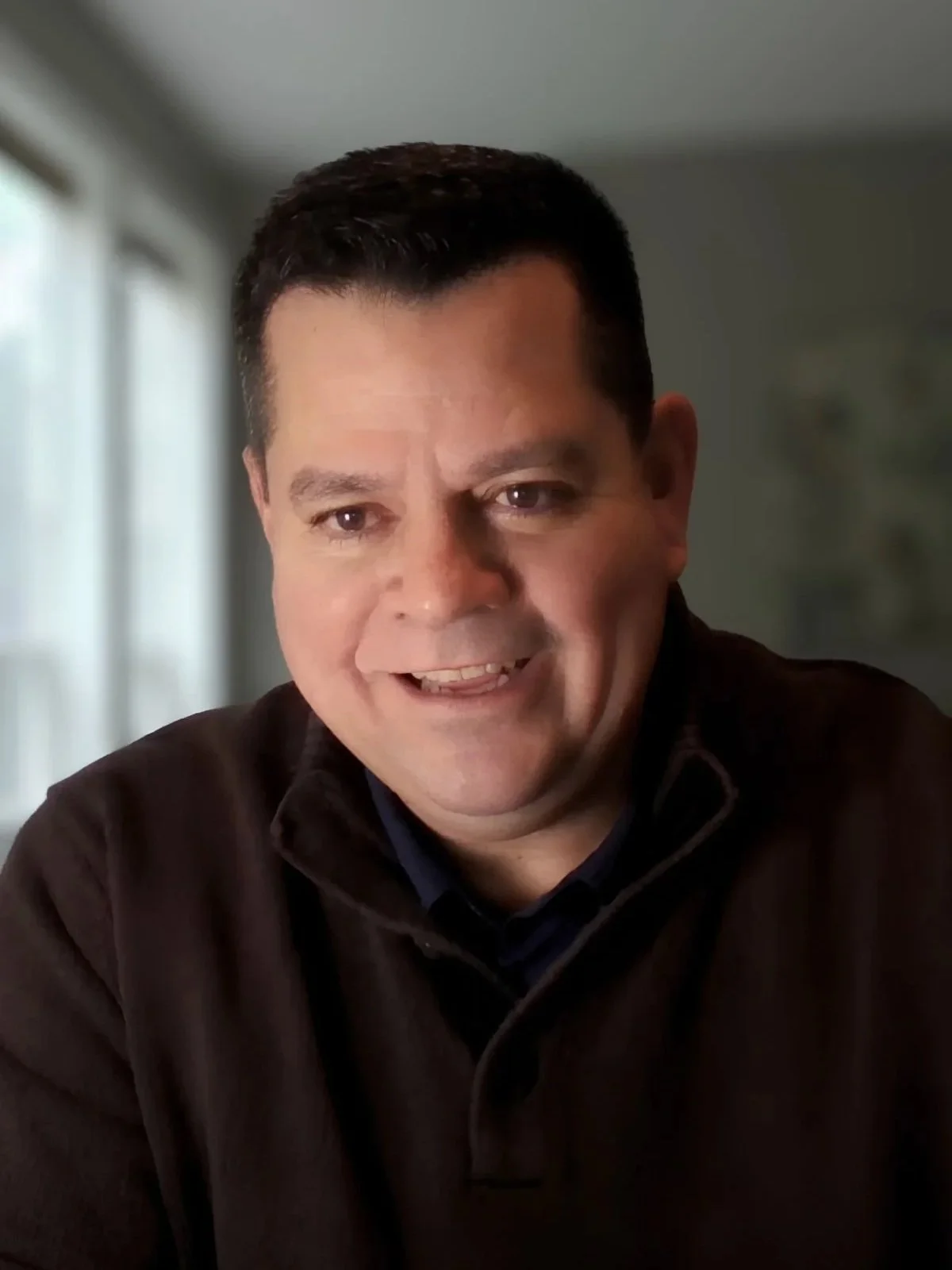
Ed Muñoz works with Citygreen, which has designed soil cell, tree pit and stormwater systems that help urban trees grow alongside streets, sidewalks and utilities since 2004.
Ed joined Citygreen, coming into the green infrastructure world from outside it. His work is mostly advocacy and education: accredited learning, municipal round tables, and early planning support for cities, developers, and design firms.
What sets his approach apart is that he leads with listening. He meets engineers, utilities and finance teams on their own terms, and connects them with the landscape architects who have been making the case for trees all along.
Listen, Watch, and Subscribe
Say hello.
If you’re interested in being a guest or sponsor for the podcast, please contact us at hello@landlanguage.org